
BPC157 Research Peptides – High-Purity Laboratory Peptides Supplier
High-Purity 99% Research Peptides for Scientific Use
Research use only.
≥99% purity guaranteed.
Independently laboratory tested.
Worldwide shipping available.
Trusted Supplier for Advanced Peptide Research and lab use
Quality control: HPLC-tested batches with full traceability.
Secure packaging: Tamper-evident, discreet, stability-protective packaging.
Research-only disclaimer: For laboratory research only, not for human or animal use.
What Is BPC 157 Peptide?
BPC 157 peptide is a synthetic pentadecapeptide derived from a naturally occurring protein fragment found in gastric juice. It has been widely examined in preclinical and animal studies for its potential role in tissue regeneration and cellular protection. Because of its unique origin, BPC 157 peptide demonstrates notable stability in biological environments. As a result, it has become a frequent subject of laboratory research focused on recovery and repair mechanisms.
Moreover, researchers have shown interest in it due to its broad biological activity across multiple tissue types. Unlike compounds that act on a single pathway, this peptide appears to influence several interconnected repair processes simultaneously.
How BPC 157 Peptide Supports Tissue Repair
One of the most researched aspects of it is its involvement in soft and connective tissue repair. For example, animal studies suggest that it may support the healing of tendons, ligaments, muscles, joints, bone, and skin. Therefore, this compound is frequently discussed in regenerative research models.
Additionally, BPC 157 peptide has been studied for its interaction with cellular signaling pathways related to inflammation and tissue remodeling. Consequently, researchers often examine it in experimental settings involving chronic or slow-healing injuries. Furthermore, its apparent ability to influence cell migration and structural integrity makes it relevant in recovery-focused laboratory studies.
Role of BPC 157 Peptide in Angiogenesis
Another important research focus involves the relationship between BPC 157 peptide and angiogenesis. Angiogenesis is the process by which new blood vessels form from existing ones, and it plays a critical role in wound healing. Therefore, proper vascular support is essential for efficient tissue repair.
Studies indicate that BPC 157 peptide may accelerate angiogenic processes. As a result, damaged tissue may receive improved blood flow, oxygen delivery, and nutrient supply. Moreover, enhanced microvascular organization is associated with faster and more stable regeneration in preclinical models.
Gastrointestinal Research Applications
Because BPC 157 peptide originates from a gastric protein, it has been extensively studied in gastrointestinal research. In particular, researchers have examined its effects on intestinal integrity, ulcers, fistulas, and inflammatory responses. Consequently, it is often included in experimental models related to digestive system protection.
In addition, BPC 157 peptide has demonstrated resistance to gastric degradation, which further supports its relevance in gut-related studies. Therefore, its stability and biological activity make it a valuable compound for laboratory investigation.
Research Use and Product Disclaimer
Overall, BPC 157 peptide is a multi-functional research compound with applications across regenerative, vascular, and gastrointestinal research models. However, it is important to emphasize that this product is supplied strictly for laboratory research use only.
This compound is not approved for human or animal consumption and is not intended to diagnose, treat, cure, or prevent any disease. Researchers should handle and store BPC 157 peptide according to standard laboratory protocols and safety guidelines.
New Products
Recently added our store
BIO SUPER REPAIR
BIO SUPER REPAIROriginal price was: $50.$17Current price is: $17.Add to cart
Hurry Up!
Offer ends in:
BIO SUPER REPAIR
BIO SUPER REPAIROriginal price was: $50.$17Current price is: $17.Add to cart
BIO SUPER REPAIR
price is base on per 100 capsule
Important Notification: All of our products and services listed in this website are for research or production use only, not for direct human use.
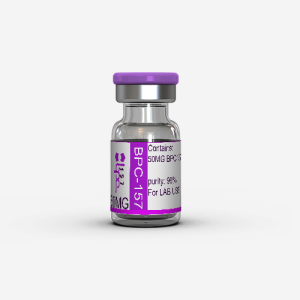
BPC-157 50mg
BPC-157 50mgOriginal price was: $50.$27Current price is: $27.Add to cart
Hurry Up!
Offer ends in:
BPC-157 50mg
BPC-157 50mgOriginal price was: $50.$27Current price is: $27.Add to cart
BPC-157 50mg
Molecular formula: C62H98N16O22
Molar Mass:1419.53552 g/mol
CAS: 137525-51-0
price is base on per vial
Important Notification: All of our products and services listed in this website are for research or production use only, not for direct human use.
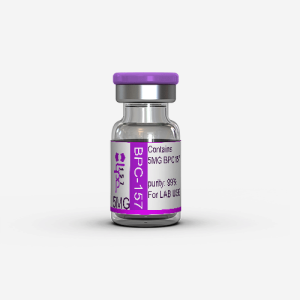
BPC-157 5mg
BPC-157 5mgOriginal price was: $50.$6Current price is: $6.Add to cart
Hurry Up!
Offer ends in:
BPC-157 5mg
BPC-157 5mgOriginal price was: $50.$6Current price is: $6.Add to cart
BPC-157 5mg
Molecular formula: C62H98N16O22
Molar Mass:1419.53552 g/mol
CAS: 137525-51-0
price is base on per vial
Important Notification: All of our products and services listed in this website are for research or production use only, not for direct human use.
BPC157 +PEA 510MG
BPC157 +PEA 510MGOriginal price was: $50.$18Current price is: $18.Add to cart
Hurry Up!
Offer ends in:
BPC157 +PEA 510MG
BPC157 +PEA 510MGOriginal price was: $50.$18Current price is: $18.Add to cart
BPC157 +PEA 510MG
price is base on per vial
Important Notification: All of our products and services listed in this website are for research or production use only, not for direct human use.
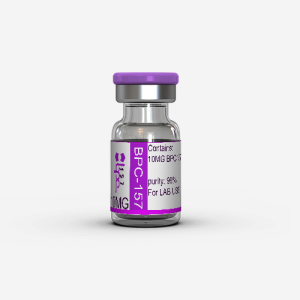
BPC157 10mg
BPC157 10mgOriginal price was: $50.$9Current price is: $9.Add to cart
Hurry Up!
Offer ends in:
BPC157 10mg
BPC157 10mgOriginal price was: $50.$9Current price is: $9.Add to cart
BPC-157 10mg
Molecular formula: C62H98N16O22
Molar Mass:1419.53552 g/mol
CAS: 137525-51-0
price is base on per vial
Important Notification: All of our products and services listed in this website are for research or production use only, not for direct human use.
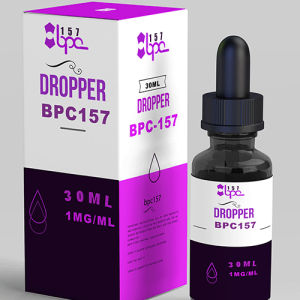
BPC157 1mg/ 1ml dropper
BPC157 1mg/ 1ml dropperOriginal price was: $100.$17Current price is: $17.Add to cart
Hurry Up!
Offer ends in:
BPC157 1mg/ 1ml dropper
BPC157 1mg/ 1ml dropperOriginal price was: $100.$17Current price is: $17.Add to cart
BPC157 1mg/ 1ml dropper
Molecular formula: C62H98N16O22
Molar Mass:1419.53552 g/mol
CAS: 137525-51-0
price is base on per unit
Important Notification: All of our products and services listed in this website are for research or production use only, not for direct human use.
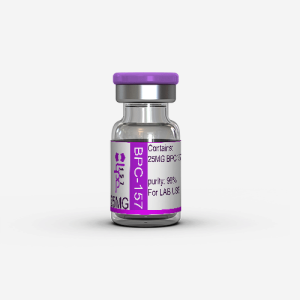
BPC157 25mg
BPC157 25mgOriginal price was: $50.$15Current price is: $15.Add to cart
Hurry Up!
Offer ends in:
BPC157 25mg
BPC157 25mgOriginal price was: $50.$15Current price is: $15.Add to cart
BPC-157 25mg
Molecular formula: C62H98N16O22
Molar Mass:1419.53552 g/mol
CAS: 137525-51-0
price is base on per vial
Important Notification: All of our products and services listed in this website are for research or production use only, not for direct human use.
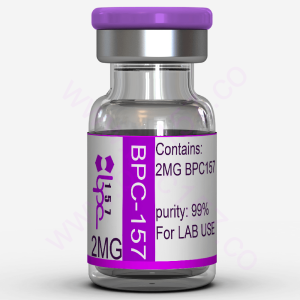
BPC157 2mg
BPC157 2mgOriginal price was: $50.$4Current price is: $4.Add to cart
Hurry Up!
Offer ends in:
BPC157 2mg
BPC157 2mgOriginal price was: $50.$4Current price is: $4.Add to cart
BPC-157 2mg
Molecular formula: C62H98N16O22
Molar Mass:1419.53552 g/mol
CAS: 137525-51-0
price is base on per vial
Important Notification: All of our products and services listed in this website are for research or production use only, not for direct human use.
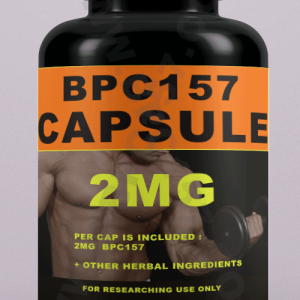
BPC157 2mg capsule
BPC157 2mg capsuleOriginal price was: $500.$88Current price is: $88.Add to cart
Hurry Up!
Offer ends in:
BPC157 2mg capsule
BPC157 2mg capsuleOriginal price was: $500.$88Current price is: $88.Add to cart
BPC157 2mg capsule
Molecular formula: C62H98N16O22
Molar Mass:1419.53552 g/mol
CAS: 137525-51-0
price is base on per box (100 cpt)
Important Notification: All of our products and services listed in this website are for research or production use only, not for direct human use.
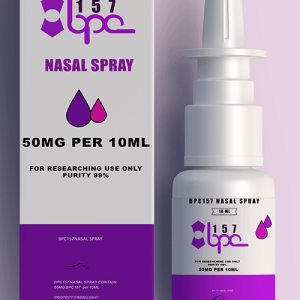
BPC157 50mg/ 10ml nasal spray
BPC157 50mg/ 10ml nasal sprayOriginal price was: $100.$32Current price is: $32.Add to cart
Hurry Up!
Offer ends in:
BPC157 50mg/ 10ml nasal spray
BPC157 50mg/ 10ml nasal sprayOriginal price was: $100.$32Current price is: $32.Add to cart
BPC157 50mg/ 10ml nasal spray
Molecular formula: C62H98N16O22
Molar Mass:1419.53552 g/mol
CAS: 137525-51-0
price is base on per Nasal Spray
Important Notification: All of our products and services listed in this website are for research or production use only, not for direct human use.
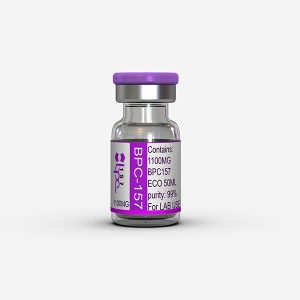
BPC157 ECO 1100 MG in 50ML
BPC157 ECO 1100 MG in 50MLOriginal price was: $4000.$410Current price is: $410.Add to cart
Hurry Up!
Offer ends in:
BPC157 ECO 1100 MG in 50ML
BPC157 ECO 1100 MG in 50MLOriginal price was: $4000.$410Current price is: $410.Add to cart
BPC157 ECO 1100 MG in 50ML
Molecular formula: C62H98N16O22
Molar Mass:1419.53552 g/mol
CAS: 137525-51-0
price is base on per vial
Important Notification: All of our products and services listed in this website are for research or production use only, not for direct human use.
BPC157+KPV +PEA 520MG
BPC157+KPV +PEA 520MGOriginal price was: $50.$24Current price is: $24.Add to cart
Hurry Up!
Offer ends in:
BPC157+KPV +PEA 520MG
BPC157+KPV +PEA 520MGOriginal price was: $50.$24Current price is: $24.Add to cart
BPC157+KPV +PEA 520MG
price is base on per vial
Important Notification: All of our products and services listed in this website are for research or production use only, not for direct human use.
Hot Deals
BIO SUPER REPAIR
BIO SUPER REPAIROriginal price was: $50.$17Current price is: $17.Add to cart
Hurry Up!
Offer ends in:
BIO SUPER REPAIR
BIO SUPER REPAIROriginal price was: $50.$17Current price is: $17.Add to cart
BIO SUPER REPAIR
price is base on per 100 capsule
Important Notification: All of our products and services listed in this website are for research or production use only, not for direct human use.
BPC-157 50mg
BPC-157 50mgOriginal price was: $50.$27Current price is: $27.Add to cart
Hurry Up!
Offer ends in:
BPC-157 50mg
BPC-157 50mgOriginal price was: $50.$27Current price is: $27.Add to cart
BPC-157 50mg
Molecular formula: C62H98N16O22
Molar Mass:1419.53552 g/mol
CAS: 137525-51-0
price is base on per vial
Important Notification: All of our products and services listed in this website are for research or production use only, not for direct human use.
Best Sellers
TB500 25mg
TB500 25mgOriginal price was: $50.$17Current price is: $17.Add to cart
Hurry Up!
Offer ends in:
TB500 25mg
TB500 25mgOriginal price was: $50.$17Current price is: $17.Add to cart
TB500 25mg
price is base on per vial
Important Notification: All of our products and services listed in this website are for research or production use only, not for direct human use.
wholesale BPC157 2mg capsule x 1000 cpt
wholesale BPC157 2mg capsule x 1000 cptOriginal price was: $1000.$550Current price is: $550.Add to cart
Hurry Up!
Offer ends in:
wholesale BPC157 2mg capsule x 1000 cpt
wholesale BPC157 2mg capsule x 1000 cptOriginal price was: $1000.$550Current price is: $550.Add to cart
wholesale BPC157 2mg capsule x 1000 cpt
Molecular formula: C62H98N16O22
Molar Mass:1419.53552 g/mol
CAS: 137525-51-0
price is base on per 1000 cpt
Important Notification: All of our products and services listed in this website are for research or production use only, not for direct human use.
Wholesale BPC157 1mg/ 1ml dropper -50 units
Wholesale BPC157 1mg/ 1ml dropper -50 unitsOriginal price was: $1000.$600Current price is: $600.Add to cart
Hurry Up!
Offer ends in:
Wholesale BPC157 1mg/ 1ml dropper -50 units
Wholesale BPC157 1mg/ 1ml dropper -50 unitsOriginal price was: $1000.$600Current price is: $600.Add to cart
Wholesale BPC157 1mg/ 1ml dropper -50 units
Molecular formula: C62H98N16O22
Molar Mass:1419.53552 g/mol
CAS: 137525-51-0
price is base on per 50 units
Important Notification: All of our products and services listed in this website are for research or production use only, not for direct human use.
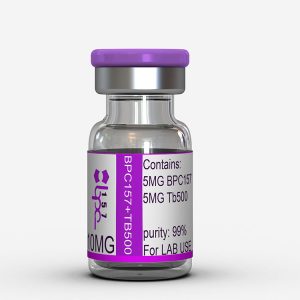
BPC157+TB500 blend 10mg
BPC157+TB500 blend 10mgOriginal price was: $50.$14Current price is: $14.Add to cart
Hurry Up!
Offer ends in:
BPC157+TB500 blend 10mg
BPC157+TB500 blend 10mgOriginal price was: $50.$14Current price is: $14.Add to cart
BPC157+TB500 blend 10mg
Molecular formula: C62H98N16O22
Molar Mass:1419.53552 g/mol
CAS: 137525-51-0
price is base on per vial
Important Notification: All of our products and services listed in this website are for research or production use only, not for direct human use.
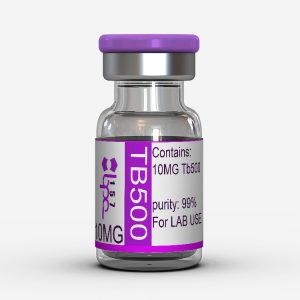
TB500 10mg
TB500 10mgOriginal price was: $50.$8Current price is: $8.Add to cart
Hurry Up!
Offer ends in:
TB500 10mg
TB500 10mgOriginal price was: $50.$8Current price is: $8.Add to cart
TB500 10mg
price is base on per vial
Important Notification: All of our products and services listed in this website are for research or production use only, not for direct human use.
Wholesale BPC157 100mcg -100 vials
Wholesale BPC157 100mcg -100 vialsOriginal price was: $1000.$180Current price is: $180.Add to cart
Hurry Up!
Offer ends in:
Wholesale BPC157 100mcg -100 vials
Wholesale BPC157 100mcg -100 vialsOriginal price was: $1000.$180Current price is: $180.Add to cart
Wholesale BPC157 2mg -100 vials
Molecular formula: C62H98N16O22
Molar Mass:1419.53552 g/mol
CAS: 137525-51-0
price is base on per vial
Important Notification: All of our products and services listed in this website are for research or production use only, not for direct human use.
BIO SUPER REPAIR
BIO SUPER REPAIROriginal price was: $50.$17Current price is: $17.Add to cart
Hurry Up!
Offer ends in:
BIO SUPER REPAIR
BIO SUPER REPAIROriginal price was: $50.$17Current price is: $17.Add to cart
BIO SUPER REPAIR
price is base on per 100 capsule
Important Notification: All of our products and services listed in this website are for research or production use only, not for direct human use.
BPC157+KPV +PEA 520MG
BPC157+KPV +PEA 520MGOriginal price was: $50.$24Current price is: $24.Add to cart
Hurry Up!
Offer ends in:
BPC157+KPV +PEA 520MG
BPC157+KPV +PEA 520MGOriginal price was: $50.$24Current price is: $24.Add to cart
BPC157+KPV +PEA 520MG
price is base on per vial
Important Notification: All of our products and services listed in this website are for research or production use only, not for direct human use.
BPC157 +PEA 510MG
BPC157 +PEA 510MGOriginal price was: $50.$18Current price is: $18.Add to cart
Hurry Up!
Offer ends in:
BPC157 +PEA 510MG
BPC157 +PEA 510MGOriginal price was: $50.$18Current price is: $18.Add to cart
BPC157 +PEA 510MG
price is base on per vial
Important Notification: All of our products and services listed in this website are for research or production use only, not for direct human use.
BPC157 2mg capsule
BPC157 2mg capsuleOriginal price was: $500.$88Current price is: $88.Add to cart
Hurry Up!
Offer ends in:
BPC157 2mg capsule
BPC157 2mg capsuleOriginal price was: $500.$88Current price is: $88.Add to cart
BPC157 2mg capsule
Molecular formula: C62H98N16O22
Molar Mass:1419.53552 g/mol
CAS: 137525-51-0
price is base on per box (100 cpt)
Important Notification: All of our products and services listed in this website are for research or production use only, not for direct human use.